 Rolex
RolexOmega Replica ETA Movement Guide
Home » Omega Replica ETA Movement Guide
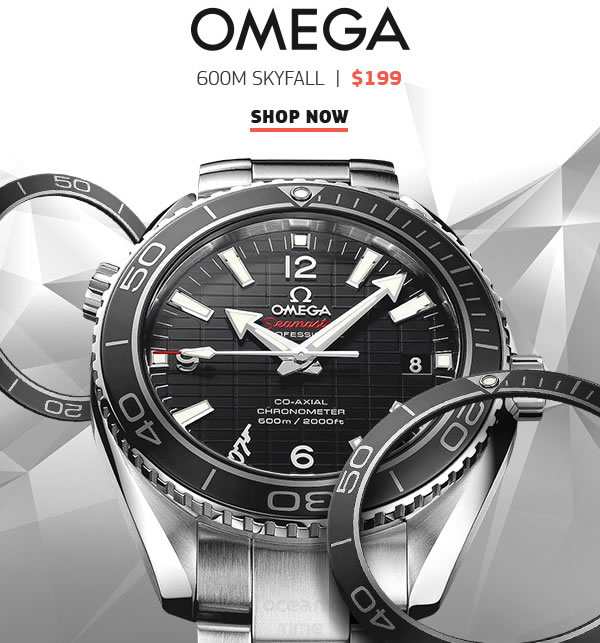
This legacy Omega page is retained to explain an issue that also appears in Rolex listings: the difference between a genuine ETA movement, an ETA clone and vague “Swiss ETA” marketing.
Why ETA language appears frequently with Omega
Omega has historical links with Swiss movement manufacturing, so replica sellers often use ETA terminology to create a sense of legitimacy. The correct response is to ask for an exact calibre and origin rather than assuming every ETA-labelled movement is genuine Swiss ETA.
Seamaster-style water claims need verification
A genuine dive-watch model may carry substantial water-resistance credentials, but replica water resistance depends on the individual case, crown, crystal and gasket assembly. Pressure-test the actual watch before water exposure.
Co-Axial terminology can be misused
A seller may borrow genuine Omega movement language in a replica title even when the installed movement does not reproduce the genuine escapement architecture. Treat movement names as claims that require evidence.
Bezel, helium valve and dial are separate checks
On Seamaster-style replicas, bezel alignment, valve placement, wave-pattern or dial texture and bracelet fit should be assessed individually. A correct-looking valve does not prove pressure capability.
Use movement evidence, not brand association
Whether the listing is Omega or Rolex, ask for exact movement, functions, measured reserve and service options. A brand name cannot turn an unidentified movement into a Swiss one.
Current site focus
This URL remains for historical value, but the main research architecture is now Rolex-focused. Use the movement guide for the deeper technical framework.
A practical legacy-page checklist
- Identify the exact model before comparing quality.
- Confirm actual case measurements and movement calibre.
- Verify every complication shown on the dial.
- Inspect case/bracelet or strap construction from multiple angles.
- Treat “Swiss”, “AAA” and “1:1” as claims rather than standards.
- Use current Rolex guides for the main topic of this domain.
Seamaster, Speedmaster and dress Omega designs should not share one checklist
Seamaster-style watches need bezel, crown, valve and water-resistance scrutiny. Speedmaster-style chronographs need register spacing, pusher operation and case-thickness checks. Dressier Aqua Terra-style designs rely more on dial texture, indices, date alignment and case finishing. The old habit of grouping every Omega replica under “Swiss ETA” hides these differences.
A useful legacy page therefore separates model architecture from movement marketing. First identify the watch; only then decide whether the movement being offered makes sense for that design.
Why “Co-Axial” is especially easy to misuse in replica titles
Co-Axial refers to a specific escapement concept used by Omega. A rotor engraving or bridge marked “Co-Axial” does not prove that architecture is present. If a replica seller uses the term, ask whether it describes actual escapement construction or only visual decoration.
For most buyers, verified timekeeping, serviceability and correct exterior proportions are more practical criteria than a movement label that cannot be independently demonstrated.
A better way to compare an older Omega replica today
If the watch was produced years ago, compare its present condition rather than the grade it was sold under. Check crown and tube wear, bracelet stretch, crystal damage, bezel play, movement identity and service history. Lubricants age even when a watch is not worn, so a long-stored mechanical movement may need inspection before regular use.
For a buyer looking at a current product, ask whether the seller can provide QC from the actual watch rather than archived factory images. The age and source of the photographs can matter as much as the written specification.
Continue Your Research
A strong comparison works best when model, size, movement and seller evidence are checked together. Use the related guides below rather than treating a single marketing label as proof of quality.
Rolex Collections
Reference Guides
Buyer Resources
Replica watches are not genuine Rolex products. Model and trademark names are used only for identification and comparison. This site is independent and is not affiliated with Rolex SA.